
Jin
An intensifier used to punch up whatever you're saying, like adding an extra shot of kopi to your morning brew. If something is 'jin steady', it’s not just good, it’s legit impressive.
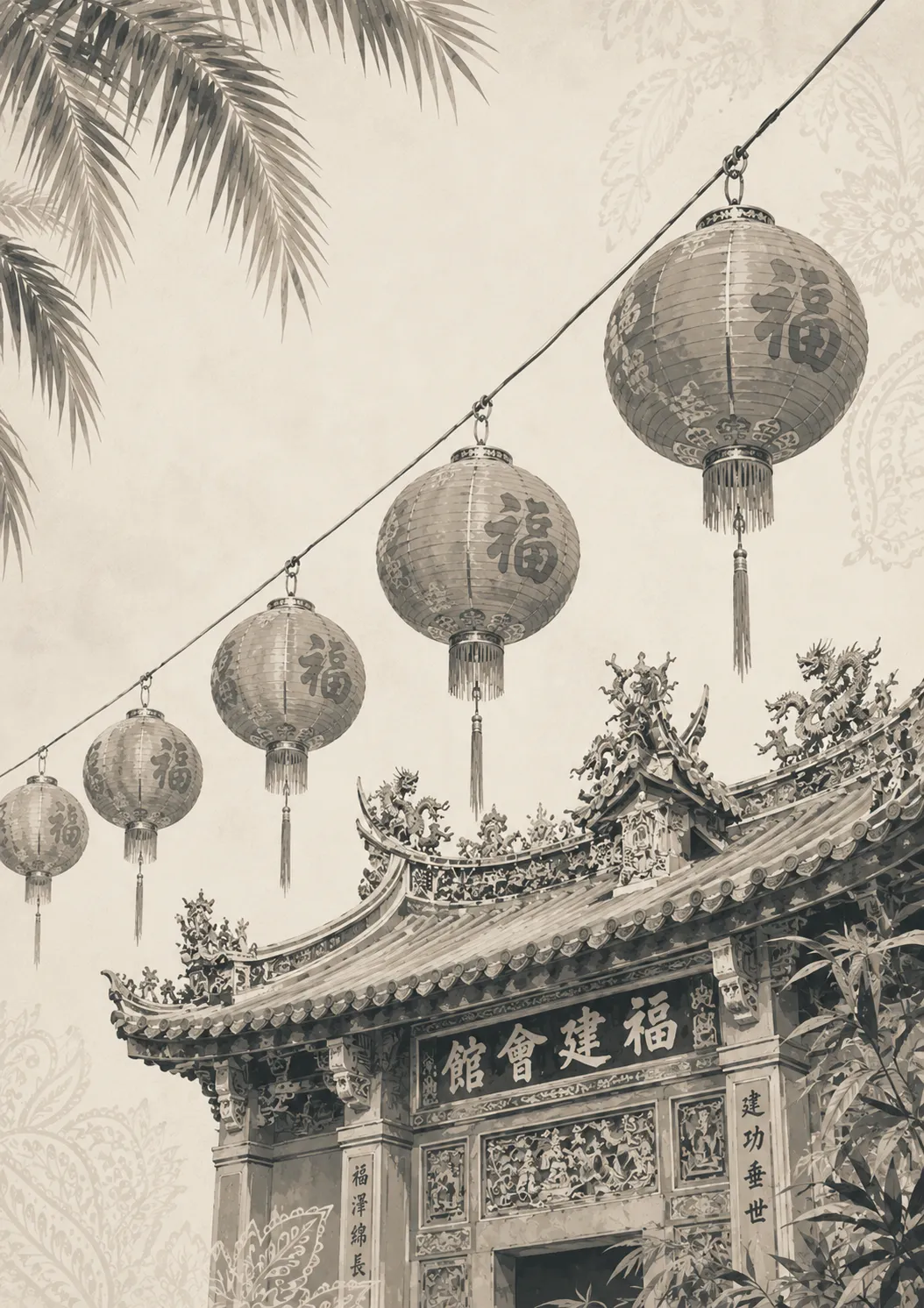
Origin
Literal translation: "True"
Derived from the Hokkien word 'chin' (真), which means real or authentic. It’s a staple in the vernacular that stuck around from our dialect-heavy roots.
Usage Examples
"Wah, this mala stall queue always long but the soup jin shiok sia."
"Your presentation last night jin solid leh, boss also nodding all the way."
"Bro, that prata shop hidden in the industrial area one is jin steady, no need fancy one."
Add your spin
Think you have a better definition or a funnier example? Contribute to the Pulse.
Related Words
sibeh
Think of this as the ultimate dial-turner for your adjectives—it takes 'very' and cranks it up to eleven, whether you're talking about how hot the weather is or how much you hate your boss. It’s the go-to intensifier that spices up any sentence when you need to emphasize that something is seriously, undeniably intense.
lagi
Think of this as the ultimate Singlish intensifier. Whether you’re saying something is better (lagi power) or worse (lagi terok), it’s just the perfect way to turn up the volume on your adjective.
sia
Think of this as the spicy seasoning for your sentences—it’s an intensifier that adds serious emphasis to whatever you just said. Use it when you’re genuinely shocked, mildly annoyed, or just want to make sure your friend knows you really, really mean it.
lah
The Swiss Army knife of Singlish. It’s that little sound you add to the end of a sentence to give it some extra flavour, whether you’re being firm, impatient, or just trying to make your point sound like common sense. Use it to settle an argument, soften a request, or remind your friend that the bus is already leaving.